
At the intersection of mind and machine, manufacturing is poised for transformation. Here are three challenges industry faces in order to capitalize on advances in robotics and the Industrial Internet.

At the intersection of mind and machine, manufacturing is poised for transformation. Here are three challenges industry faces in order to capitalize on advances in robotics and the Industrial Internet.

We have to remember is that by our own design, the people we work with are smart, too. Engaging them in our vision, and harnessing their knowledge to make it succeed only gets us where we all are headed.

Before supply chains were called supply chains, the motto of any good supply chain leader was simple: “Don’t f*%! it up.” If you took cost out of the supply chain, you got a bonus; if you shut the line down, you got fired.
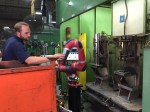
The German automaker is moving on to a new breed of smart, collaborative robots – robots that can work with humans, that can navigate the unpredictability and imperfection of the factory floor and that can perform more than a single task.

In 2015, the Chinese government launched an ambitious initiative to transform Chinese manufacturing from the world’s source of low-cost labor to the leader in innovation and quality. Today, we’re seeing the role that robots will play on the pursuit of that vision and how Chinese manufacturers are different from their global peers when it comes to adoption strategies…
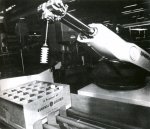
It’s been more than 50 years since the first robot for manufacturing was installed at GM. While manufacturing has changed a lot since then, many still think the truths about industrial robots haven’t changed. Not so. Smart, collaborative robots bring automation to much of the 90 percent of manufacturing tasks that haven’t been automated yet and manufacturers need to look again at what robots can do for their operations….

Tesla’s recent release of auto-piloting software changes what we think about cars and drivers. In the world of industrial automation, software’s changing what we think about robots and work, too.
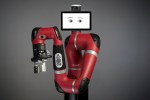
When you hear about innovative technological advances that are reshaping industries, chances are you aren’t thinking about a factory floor. Not much has changed there since the first industrial robots were deployed in the 1960s — until now.

Made in China 2025 was launched in May of this year and from where I sit, it represents an inflection point for US manufacturers. The investment around the world in fulfilling the vision of the factory of the future signals that the race is on to lead how those operations are run. New technologies, including smart, collaborative robots are here – the roadmap for exploiting them isn’t. First mover advantage only lasts so long, and those who wait will find themselves left behind….
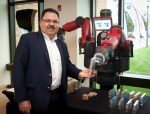
There are few companies more linked to the drive for continuous innovation than GE and few executives more knowledgeable about robots in manufacturing than GE’s Roland Menassa. I recently talked with Roland about his vision for a workforce that puts robots to work to help people do their jobs better and how his team is working on that model for GE.
 James Lawton